


There are only the 2 Proven Food Plot Seasons for Deer: Warm vs Cold.
Building a great food plot for deer starts with one question: when do you want deer eating there? The difference between warm season and cold season food plots determines what you plant, when you plant, and how deer use your property. This guide breaks down both seasons, the species that thrive in each, and how to align your plan with your habitat and goals.
Food plots are one of the most effective ways to increase the volume of quality forage on your hunting property. Depending on species, soil, and management, a plot can yield 1–6 tons per acre. Why does that matter? An adult whitetail eats roughly ~1 ton/year. If the neighbor is feeding better—especially when food is scarce—that’s where deer will be. Plots aren’t a silver bullet, but paired with smart habitat strategy, they can turn your property into a year-round draw.
Kill Plots vs. Feed Plots — Know the Difference
Personally, I treat most of my food plots like kill plots—small, strategic openings designed to attract deer when I want to hunt them. I’m surrounded by agriculture early season, so trying to out-feed corn and soybeans is a losing game. Instead, I focus on timing and palatability: plantings that peak as crops are harvested or become less attractive.
If you’re in a low-ag region, larger feed plots can provide consistent, critical food and operate more like destination fields. The right balance depends on your landscape and pressure.
Warm Season Food Plots — Build Growth & Summer Nutrition
Warm season food plots carry the load in spring and summer—prime times for antler growth and fawn development. Bucks need protein, calcium, and phosphorus; does need calories for lactation and recovery.
- Clover
- Lablab
- Forage soybeans
- Cowpeas
- Lupines
- Burgundy beans
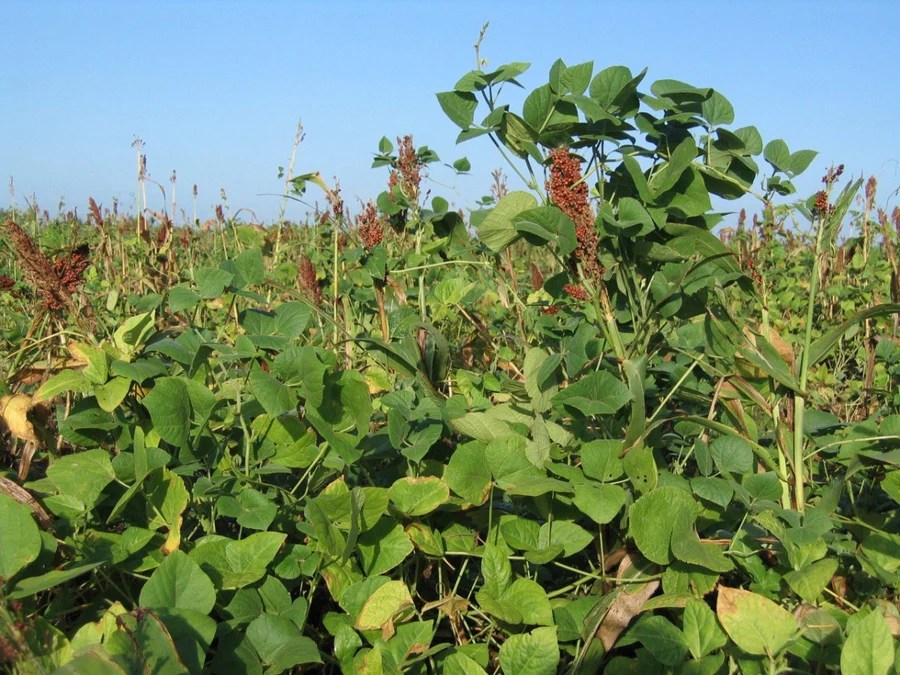
Design warm-season plantings to feed deer when native forbs wane and to set up a seamless transition into your fall attraction plan.
Cold Season Food Plots — Build Attraction & Late-Season Holding Power
Cold season food plots are your hunting-season workhorses, offering palatable forage when native food dwindles. The longer you keep green food on the menu, the more deer you hold during the rut and post-rut.
- Grains (wheat, oats, rye, triticale)
- Brassicas (radishes, turnips, kale)
- Cold-hardy clovers and legumes
- Chicory

Deer Food Plot Guide: What to Plant & When
The best systems stack seasons. A spring soybean/clover base can transition to a fall brassica/cereal mix, ensuring there’s always something attractive on your ground. Match this with smart plot design and access so deer use the plot in daylight and you can hunt it without burning it.
Why Food Plots Matter Beyond Deer
While plots are planted for whitetails, diverse mixes benefit pollinators, small game, turkeys—and soil health. A well-planned deer food plot system improves biodiversity and overall carrying capacity.
For more science-based planting advice, visit the Mississippi State Deer Lab.
What’s Next in the Food Plot Series
- Up next: Seed Selection for Food Plots — pick the right species for your goals and region.
- Before planting, nail your Soil Sampling & Analysis and Food Plot Soil Preparation.
- Later in the series: When & How to Plant for Maximum Success and How to Hunt Food Plots Effectively.
Final Thought: A Tool, Not a Crutch
Food plots amplify good habitat—they don’t replace it. Pair plots with bedding cover, smart access, and seasonal maintenance & monitoring, and you’ll build a repeatable system that gets better every year.
Join the Apex Tribe
Weekly habitat tips, food plot tactics, and hunt strategy—no fluff.

Leave a Reply