
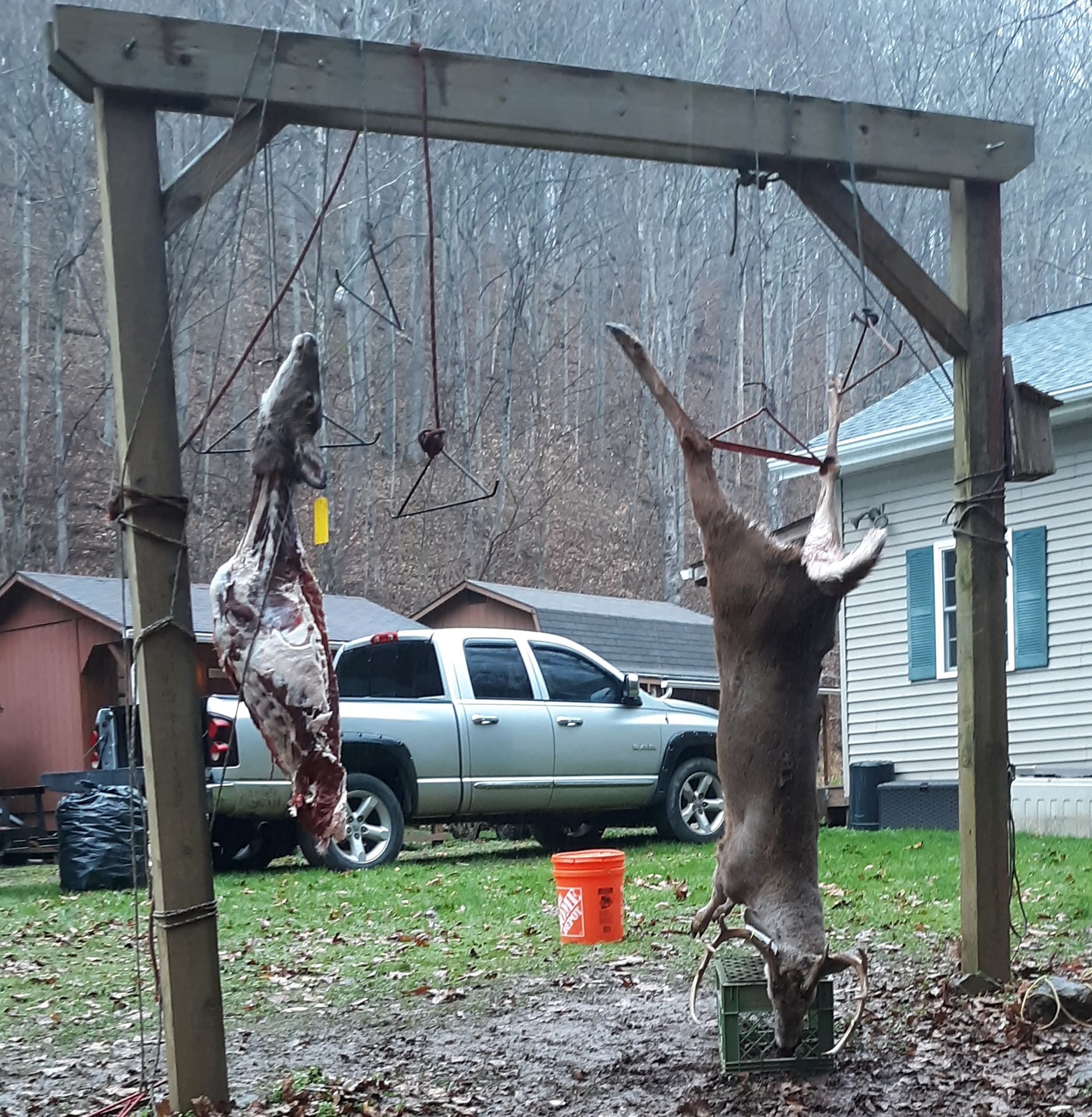
How to Process and Cook: Beginner’s Guide From Field to Table

You did it. You scouted hard, made a great shot, field dressed your deer, and butchered it yourself (or handed it off to a processor—no judgment). Now comes the reward: eating your harvest. This is the final—and arguably most enjoyable—chapter in the whitetail hunting journey.
Here’s how to go from frozen meat to mouthwatering meals with confidence, flavor, and respect for the animal you harvested.
>❄️ 1. Freezer Organization & Thawing
If you can’t find it, you won’t cook it.
A well-organized freezer turns your wild game from “out of sight, out of mind” to “what’s for dinner?”
Tips:
- Label every vacuum-sealed or wrapped cut with:
➤ Type of cut (e.g., “Backstrap – R”)
➤ Date of harvest
➤ Side if possible (useful for testing tenderness) - Group by cut type (grind, steaks, roasts, etc.)
Thawing Tips:
- Fridge Thaw: Best method. Put meat on a tray 24–48 hrs before use.
- Cold Water Bath: Submerge vacuum-sealed meat in a bowl of cold water. Change water every 30 minutes.
- Avoid Microwaves: Just… don’t.
🍳 2. Understanding Venison
Wild venison isn’t beef. Treat it like beef and you’ll dry it out. Understand its strengths and limitations.
Key Differences:
- Extremely lean: Add fat for burgers, sausage, and roasts
- Bold flavor: Best with complementary herbs like rosemary, thyme, and juniper
- Cooks FAST: Medium-rare is the sweet spot for steaks
Common Mistake:
Overcooking venison leads to a dry, liver-like texture. Err on the side of rare, then adjust.
🥩 3. Cut-by-Cut Cooking Guide
🦵 Hindquarter Cuts (Roasts & Steaks):
- Top Round, Bottom Round, Eye of Round, Sirloin Tip ➤ Best for: Jerky, roast, or sliced steak
➤ Cook: Low and slow (roast) or quick sear (steak)
➤ Marinate? Yes—especially for grilling or pan-frying
🦴 Front Shoulders:
- Lots of sinew, but flavor-packed ➤ Best for: Grinding, stews, pulled venison (like pulled pork)
➤ Cook: Long and slow—Dutch oven or slow cooker
🥓 Backstraps (Loin):
- The crown jewel ➤ Best for: Medallions, steaks, whole-roasted loins
➤ Cook: Medium-rare, high heat sear + rest
➤ Pro tip: Reverse sear or sous vide for maximum tenderness
🍽️ Tenderloins (Inner Loins):
- Most tender meat on the deer ➤ Best for: Quick cast-iron sear
➤ Cook: Fresh is best—don’t freeze if you can help it
➤ Serve: With butter, garlic, and herbs. That’s it.
🍔 Trim Meat (Grind Pile):
- Your burger, sausage, chili goldmine ➤ Grind ratio: 90/10 or 80/20 with pork fat or beef suet
➤ Best for: Meatballs, tacos, lasagna, chili, breakfast sausage
➤ Tip: Mix in diced onions or mushrooms to keep it moist
🧂 4. Marinades, Rubs & Flavor Pairings
Marinades:
- For steaks/loins:
➤ Olive oil, balsamic vinegar, garlic, rosemary, black pepper
➤ Soy sauce + Worcestershire + brown sugar = sweet & savory
Dry Rubs:
- Garlic powder, smoked paprika, black pepper, onion powder
- Don’t over-salt ahead of time (dries it out)
Classic Sides:
- Roasted root veggies
- Creamy mashed potatoes
- Wild rice
- A good red wine or bourbon doesn’t hurt either 😉
🔪 5. DIY or Processor?
If you didn’t butcher your deer yourself, get to know your processor’s options:
- Burger with/without fat added
- Jalapeño cheddar sticks? Breakfast sausage? Yes, please.
- Vacuum-sealed? Make sure cuts are clearly labeled.
Even if you only DIY part of your deer, start small. Backstraps and tenderloins are easy entry points.
🏡 6. Hosting with Wild Game
Bringing wild game to the table is a tradition that connects you to the land—and sharing it is one of the most fulfilling parts of the hunt.
Tips for First-Time Guests:
- Don’t overhype it—just say it’s venison, not some exotic thing
- Stick to familiar dishes (burgers, tacos, chili)
- Use your best cuts for your closest friends—this stuff is earned
🧠 Final Thoughts
Bringing your own wild meat from field to table is one of the most satisfying and primal parts of the hunt. It’s more than a meal—it’s a story, a memory, and a celebration of self-reliance.
Be proud. Be respectful. And enjoy every bite.
This post is part of theDeer Hunting for Beginners Series—your full guide to mastering the basics of whitetail hunting.
Stay tuned for the next chapter inDeer Hunting for Beginners—we’ll break down the mental side of hunting and some common mistakes to avoid.

Leave a Reply