

The best times to hunt the rut aren’t a guess, a gut feeling, or a moon-phase fantasy — they’re predictable windows backed by real deer biology, GPS-collar studies, and thousands of hours in the stand. If you hunt the rut like a lottery ticket, you’ll keep scratching and losing. If you hunt the rut like a schedule, you start stacking odds instead of hoping.
This guide walks through the best times of day — morning, midday, and evening — and shows how buck movement shifts through each rut phase. Combine this with wind, access, sign reading, and pressure awareness, and suddenly the rut isn’t chaos… it’s controlled aggression.
Understanding the Best Times to Hunt the Rut
The whitetail rut is predictable in one way and unpredictable in another. You know bucks will move. You know they’ll chase. You know does will eventually trigger chaos. But *when* those movements happen — that’s where most hunters screw up.
This breakdown gives you the timing advantage — the most important factor in killing mature deer during the rut. Think of it as the timing blueprint the best hunters already follow.
1. Rut Morning Hunting Tactics
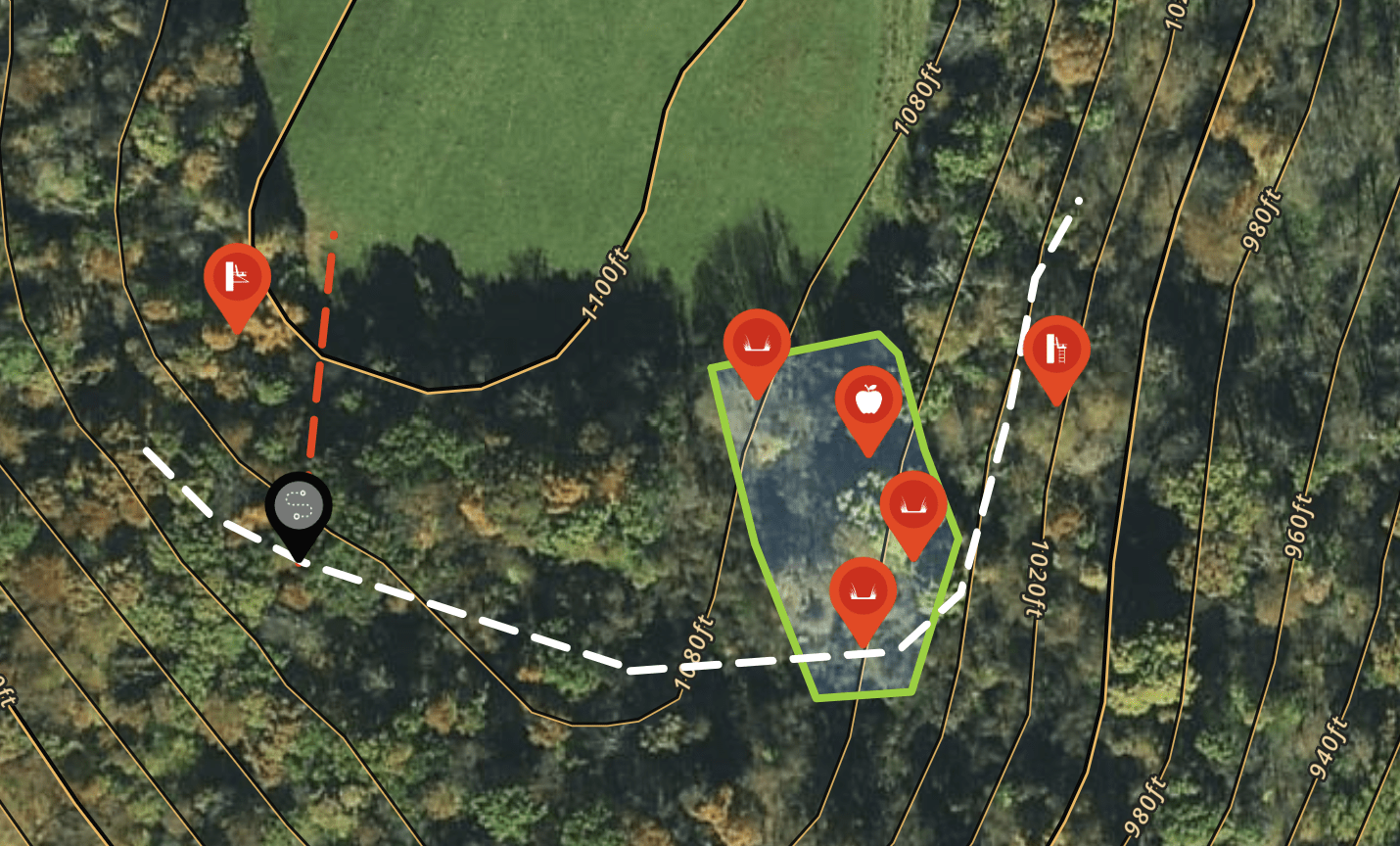
Mornings during the rut have a special rhythm — slow, deliberate, and incredibly predictable once you understand how deer use thermals and bedding patterns. This is where most hunters mess up by sitting in the wrong spot (usually right on top of a food source where the deer have already passed).
Why Mornings Are One of the Best Times to Hunt the Rut
As dawn breaks, cold air sinks and thermals are still falling. Deer are returning to bedding, often taking their time, browsing casually, or scent-checking doe groups. Bucks in particular use this window to move efficiently — sliding downwind of bedding before settling into their own cover.
Here’s what matters:
- ✔ Bucks push upwind of bedding to scent-check does before committing
- ✔ Thermals pull air downhill — expect deer to travel lower early
- ✔ Bucks stage just off bedding before entering it
- ✔ Does move slowly toward cover, often pausing to browse
Best Morning Stand Locations
- ✔ Downwind side of doe bedding
- ✔ Ridge points with rising thermals as sun warms
- ✔ Staging pockets outside bedding
- ✔ Funnels connecting bedding to micro-browse areas
Play mornings smart. Slip in early. Stay quiet. Be above or upwind — you don’t get second chances during the rut.
2. Midday Rut Hunting Strategy
If you ask most hunters when deer move, they’ll say dawn and dusk. If you ask GPS collars when mature bucks move, midday lights up like a Christmas tree. This window — 10 a.m. to 2 p.m. — is where true hunters separate from the pack.
Why Midday Is One of the Best Times to Hunt the Rut
Every major deer study confirms this: mature bucks move more in midday during the rut than any other time except peak chase.
As D’Angelo et al. found:
“Adult males exhibited a prolonged period of elevated activity extending through midday during the breeding season.”
Why? Efficiency.
- ✔ Fewer hunters in the woods
- ✔ Does settle into bedding — bucks check winded edges
- ✔ Bucks finish tending cycles midday and move again
- ✔ Parallel trails get heavy, quiet traffic
Where to Hunt Midday
- ✔ Downwind side of doe bedding (yes — again)
- ✔ Funnels between two bedding pockets
- ✔ Thick cover pockets bucks use to push does
- ✔ Ridge saddles bucks cross during searching loops
Midday sits aren’t sexy. They’re not comfortable. They’re not warm. But they kill the oldest deer in the woods.
3. Evening Rut Deer Movement
Evenings are predictable, but not in the way most hunters think. Deer don’t just “go to the fields.” They transition through a series of cover-based travel routes — and bucks run parallel to those routes to scent-check every doe headed to feed.
Why Evenings Are Still One of the Best Times to Hunt the Rut
As temps drop, thermals fall. Air moves downhill. Deer often follow it. Trails leading to food become active. Bucks — especially mature bucks — run parallel to those trails 20–60 yards inside the cover.
Where to Hunt Evenings
- ✔ Downwind side of main doe feeding routes
- ✔ Inside-cover parallel trails
- ✔ Funnels between bedding and food
- ✔ Trails leading from secluded daytime beds
You might only see one deer in the entire sit — but it’s often the one that counts.
Putting the Timing Together: The Full Rut Day Blueprint
Here’s your rut timing cheat sheet. Tape it to your bow case or rifle stock:
Morning
- Hunt the upwind/downwind edge of doe bedding
- Capitalize on thermals rising
- Expect deliberate, predictable travel
Midday
- Hunt thick cover, funnels, or bedding edges
- Expect mature buck movement increases
- Stay put while other hunters leave
Evening
- Hunt the travel routes between bedding and food
- Focus on inside-cover parallel trails
- Expect trail-based movement and scent-checking
Final Thoughts: Timing Is the Edge
Most hunters fail the rut because they focus on *location* and ignore *timing.* You can be sitting the best funnel in the entire state — but if you’re there at the wrong time, it’s dead. Conversely, even a mediocre stand becomes a killer spot if you hit it at the best times to hunt the rut.
Your job now is simple:
- ✔ Match your stand to the time of day
- ✔ Match your access to the wind and thermals
- ✔ Match your expectations to deer biology, not campfire myths
Most hunters hunt the rut like amateurs. You’re not going to.
For another science-backed breakdown on rut behavior, check out Mark Kenyon’s excellent MeatEater article: The Rut: Myths and Realities.
🔗 This article is part of the Whitetail Rut Hunting Tactics Series — a step-by-step breakdown of how to dominate the rut with strategy, not luck.
⬅️ Previous Article:
Rut Hunting Tactics: Reading Deer Sign — learn how rubs, scrapes, trails, and bedding actually predict buck movement.
➡️ Next Article:
All-Day Rut Hunting Strategy — the final piece of the rut series teaching you exactly how to hunt sunrise-to-sunset without wasting sits.

Leave a Reply