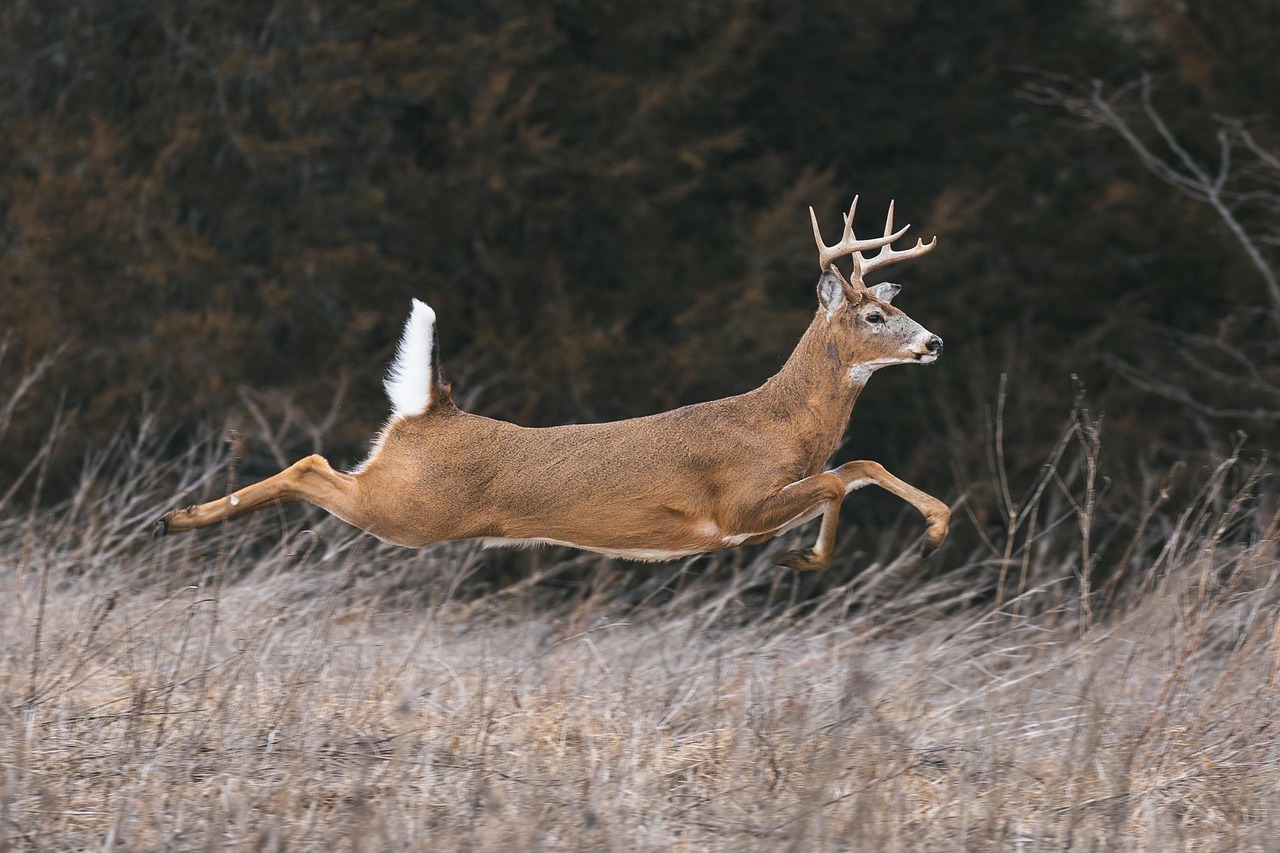
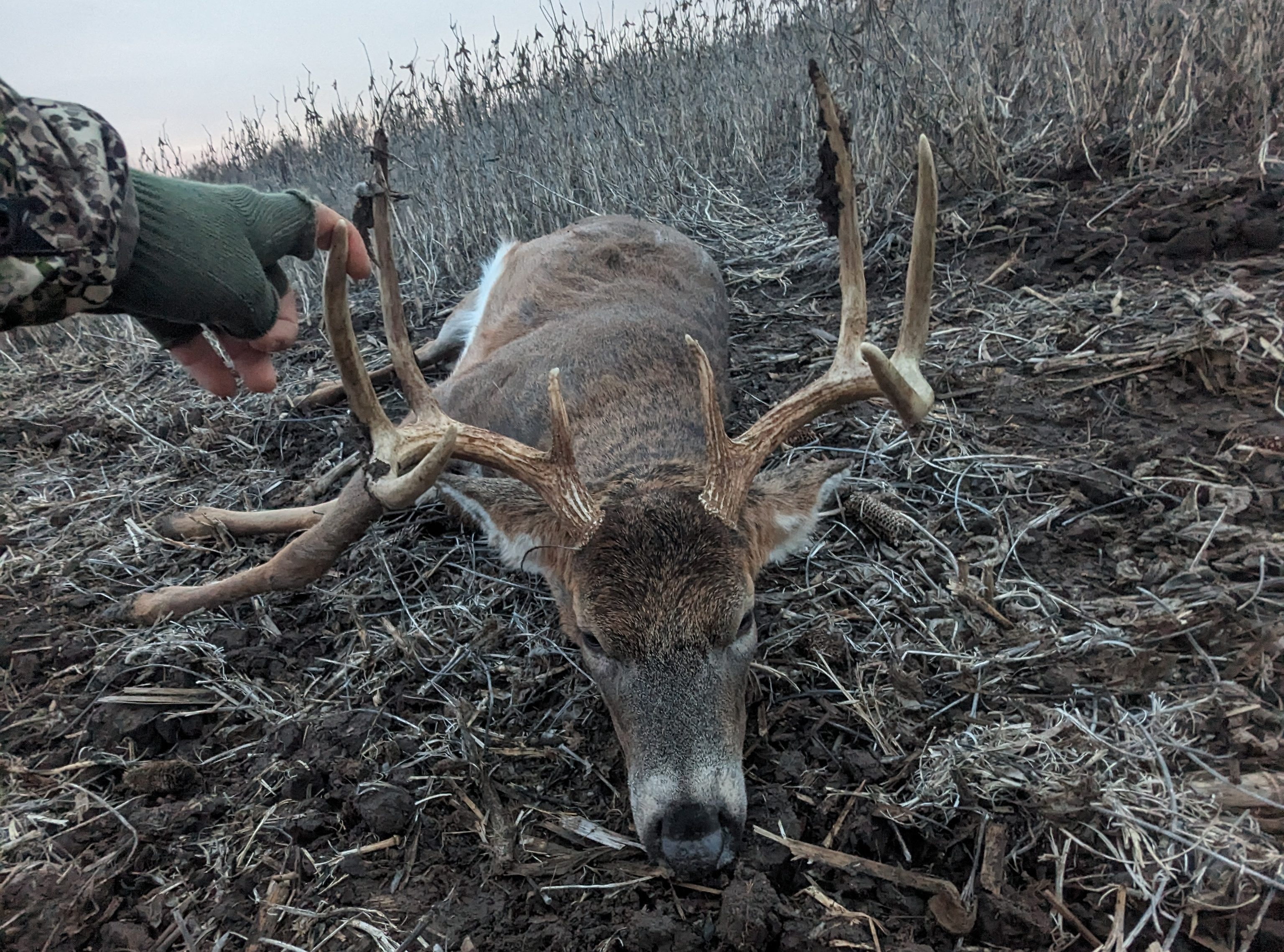
We live in a world full of internet trolls, and when it comes to deer hunting, one infamous phrase often comes to mind: “Should have given him another year.” Feeding trolls is never a good idea, but I’ll indulge for a moment. Everyone I know wants to shoot a big buck, but what defines a “big buck,” like beauty, is often in the eye of the beholder. In this article, I’ll outline some practical guidelines to help you decide when it might be appropriate to pass on smaller bucks in hopes of harvesting giants.
Step 1: Become a Proficient Killer
This, in my opinion, is the litmus test for whether you should even consider passing on a buck. Until you have supreme confidence in your ability to make clean, ethical shots, you should not pass on any opportunity. Becoming efficient at hitting the vitals is an essential skill, and neglecting it will only set you up for heartbreak. When your trophy walks in, you need to know exactly what to do. Skipping this step has cost me a couple of nice bucks, and I’d hate for others to make the same mistake.
Step 2: Evaluate the Quality of Your Inventory
One of the best hunters I know once told me, “If you want to shoot a 150, you need to pass on the 130s.” This is solid advice. According to an article by Lindsay Thomas Jr. from the National Deer Alliance, bucks typically reach about 60% of their potential antler size at 2 ½ years old, 80% at 3 ½, and max out between 5 ½ and 6 ½ years old (Thomas Jr., 2013). If your goal is to harvest big bucks, the first question you need to ask is: Do you have big bucks on your property?
Documenting the bucks that frequent your land is critical. If you consistently find that mature, high-scoring bucks are absent, it might be time to adjust your expectations. For instance, if your 2 ½-year-olds aren’t breaking the 100-inch mark, they’re unlikely to grow into 150-inch trophies. To aim for Boone and Crockett caliber bucks, your 2 ½-year-olds should be pushing past 110 inches.
For most hunters, passing on bucks until they’re 2 ½ or 3 ½ years old will provide plenty of joy and opportunity. But for the sake of this discussion, let’s assume you’ve got a solid age class of bucks on your property, with a couple of target deer aged 4 ½ or older.
Step 3: Shoot Your Trophy, Not Your Neighbor’s
This step brings us back to the eye of the beholder. Your definition of a trophy is what matters most. For some hunters, that might mean passing on 130s in pursuit of 150s or bigger. For others, it could be as simple as taking the buck that makes your heart race the moment he steps into view.
The key point is this: be proud of the deer you decide to shoot, regardless of its score. Everyone has a different level of commitment to hunting. Some hunters dedicate thousands of hours to property management, food plots, and creating ideal bedding areas. Others may only spend a handful of hours hunting public land. There’s nothing wrong with either approach—or anything in between.
Final Thoughts
The above guidelines are meant to help you make decisions in the field. If you take only one thing from this article, let it be this: Shoot your trophy, not someone else’s.
The beauty of deer management is that most issues in the deer woods are fixable. For example, forming a deer cooperative with neighboring landowners can be a game-changer. By working together, you can create group goals that help everyone achieve better hunting outcomes. Avoid shooting 1 ½-year-old bucks, focus on harvesting more does, and work collaboratively toward shared objectives. In the end, hunting is about the experiences and the memories you create. Whether your trophy is a giant buck or simply one that made your season, make it your own and enjoy every moment.
Jr., L. T. (2013, September 19). Will he be a good one next year?: National Deer Association. National Deer Association |. https://deerassociation.com/will-good-one-next-year/#:~:text=The%20gains%20in%20antler%20growth,to%2060%25%20of%20his%20potential.