

Timing is everything when it comes to food plots. You can have the perfect seed blend, the best deer food plot design, and perfectly balanced soil—but if you plant too early or too late, you’ll be watching bare dirt while deer feed somewhere else. Understanding when to plant deer food plots separates successful hunters from frustrated ones staring at thin growth and empty fields.
This deer food plot planting guide walks you through how to time your planting by soil temperature, frost, and rainfall, when to apply lime and fertilizer, and how to plant based on your equipment and goals. Whether you’re working with hand tools, an ATV, or a tractor, the goal is the same—maximize germination, minimize wasted seed, and grow a lush, huntable plot.

🌡 Timing Your Planting: Watch the Soil, Not Just the Calendar
Most seed companies print planting windows like “late summer” or “early spring.” That’s a good starting point—but not gospel. The best time to plant food plots for deer depends on your soil temperature, upcoming rain, and local frost risk. Here’s how to get it right.
🌡 Soil Temperature
Warm-season seeds such as soybeans, cowpeas, and lablab need soil temps of at least 60–65°F to germinate. Cool-season blends like brassicas, clover, or cereal grains thrive in 50–60°F soils. Use a soil thermometer and check your soil mid-morning for accurate readings.
🌧 Rain Forecast
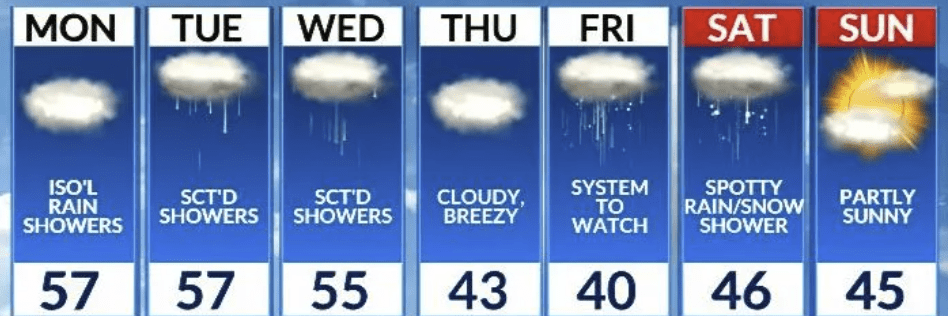
Moisture is life for germinating seed. Ideally, you should plant deer food plots one or two days before a soaking rain. Avoid planting into dry soil or ahead of long dry spells—it leads to uneven germination and spotty plots. If the ground is dry, hold off until precipitation is in the forecast.
❄ Frost Risk
For fall plots, aim to plant 45–60 days before your region’s average first frost date. Planting too early risks heat stress, while planting too late limits root growth before the freeze. The best time to plant food plots for deer is often late August through early September in the Midwest and late September through October in the South.
☀ Sunlight Hours
Late-season plantings fight against shorter days. Make sure seeds have at least four to six weeks of consistent sunlight for photosynthesis before dormancy. This gives plants time to establish strong roots and build carbohydrates deer rely on in winter.

For more detailed regional guidance on frost dates and planting windows, check the USDA Plant Hardiness Zone Map .
🌿 When to Add Lime and Fertilizer
Even the best planting schedule falls apart without proper soil chemistry. Knowing how to plant deer food plots means understanding when and how to add amendments so your seed starts in fertile ground.
🔸 Lime Timing
- Apply lime as early as possible—ideally 2–3 months before planting.
- Spread pelletized lime after your first herbicide treatment in spring or early summer.
- If time is short, applying lime at planting still helps—but earlier ensures full pH adjustment.
Lime neutralizes soil acidity and improves nutrient uptake. Without it, your fertilizer investment may go to waste. Think of lime as insurance for every other step in your deer food plot planting guide.
🔸 Fertilizer Application
- Broadcast fertilizer after your final till and before seeding so it mixes lightly into the topsoil.
- For no-till plots, apply just before or after seeding and let rain work it in.
- Avoid spreading fertilizer weeks early—it can leach away before germination.

⚒ How to Plant Deer Food Plots: Equipment-Based Approaches
Your setup determines how you get seed in the soil. Each approach—from backpack sprayer to tractor—can yield great results when executed right. Let’s break down how to plant deer food plots using the tools you already have.
🛠 Option 1: Hand Tools (Backpack Sprayer, Rake, and Effort)
- Best For: Small kill plots under ¼ acre
- Steps:
- Spray weeds with glyphosate or 2,4-D two to three times before planting.
- Spread lime after the first spray, and fertilizer right before planting.
- Rake or scuff the top inch of soil before rain.
- Broadcast seed evenly by hand or spreader.
- Press seed in with a homemade cultipacker—or your boots if needed.
- Ideal Seeds: Clover, brassicas, wheat, or rye—small seeds that require minimal coverage.

🛻 Option 2: ATV or UTV Setup (Implements + Power)
- Best For: ¼–1 acre plots
- Steps:
- Spray herbicide early and wait 7–10 days.
- Spread lime after the second spraying, then lightly till it in.
- Till again before seeding and fertilizing.
- Spread seed evenly, then drag with a chain harrow or cultipack.
- Pro Tip: Avoid deep tilling small-seeded blends—shallow is better.
🚜 Option 3: Tractor Setup (Disk, Tiller, or Drill)
- Best For: 1 acre and larger feeding plots
- Steps:
- Spray herbicide early and allow vegetation to fully die.
- Spread lime after the first spray and till it into the soil.
- Apply fertilizer before drilling or cultipacking.
- Use a no-till drill whenever possible—it saves time and soil health.
- Seed Drill Advantage: Precise depth control, less erosion, higher moisture retention, and better germination.

🌾 Seasonal Considerations for When to Plant Deer Food Plots
Spring Plantings
Spring plots (soybeans, cowpeas, lablab) thrive when soil temps are above 60°F and frost is gone. Perfect for feeding does and bucks recovering from winter stress. Plant once consistent warm days and rain appear in the forecast.
Fall Plantings
Fall is prime time for hunting plots. Brassicas, cereal grains, and clovers provide immediate draw and late-season food. The best time to plant food plots for deer in fall is 45–60 days before your first frost, giving roots time to anchor before the freeze.
Regional Tips
- Midwest: August 15 – September 10 (fall blends), May 10 – June 1 (summer blends)
- South: Late September – October (cool season), April – May (warm season)
- North: Early August for fall blends to beat early frost
🔚 Final Thoughts on When to Plant Deer Food Plots
Knowing when to plant deer food plots turns trial and error into predictable success. Focus on soil temperature, moisture, and timing your lime and fertilizer. Match your planting method to your equipment, and you’ll have lush, huntable plots that hold deer through every season.
Whether you’re starting small or scaling up to multiple acres, the key is consistency. Do the prep, watch the forecast, and plant with precision—not panic. That’s how you turn dirt into deer.

Leave a Reply