

For hunters, understanding buck bedding areas is a critical piece of the puzzle. These elusive sanctuaries are where bucks spend the majority of their daylight hours, and cracking the code on where and why they bed can mean the difference between a successful hunt and a long, fruitless season.
Midwest terrain is as diverse as it is challenging—rolling hills, agricultural fields, hardwood ridges, and marshy lowlands. Each of these habitats offers unique bedding opportunities, and understanding how bucks use them requires careful observation, scouting, and a little intuition. Let’s break it down so you can locate and hunt Midwest buck bedding areas effectively.
What Makes a Good Buck Bedding Area?
Buck bedding areas serve one primary purpose: safety. Bucks choose their bedding spots based on their ability to see, hear, and smell approaching danger. Here are some key factors that make a location ideal for bedding:
Elevation and Visibility
Bucks in hilly or rolling terrain often bed on the upper third of leeward ridges (the side sheltered from the wind). These spots allow them to watch below while using their nose to detect danger from behind. Look for beds near small rises, benches, or points along a ridge where they can monitor multiple directions at once.
Wind and Thermals
Bucks are masters at using wind and thermals to their advantage. They prefer bedding spots where the wind gives them an edge, such as areas where prevailing winds and thermals combine to provide nearly 360-degree scent coverage. In the morning, when thermals rise, they may bed higher on a ridge. In the evening, as thermals drop, they may bed closer to the valley floor.
Thick Cover
Whether it’s a patch of CRP (Conservation Reserve Program) grass, a cedar thicket, or a tangled mess of undergrowth, bucks love bedding in areas with thick cover. These spots provide the seclusion they need to feel safe during daylight hours.
Proximity to Food and Water
Bucks won’t travel far for essentials if they don’t have to. Bedding areas are often located within a few hundred yards of food sources, especially during early and late seasons when conserving energy is critical.
Rut Bedding
During the rut, bucks may also bed near scrapes, waiting for hot does to check the area.
Staging Areas
Staging areas are key locations where bucks will linger before moving into open food sources. These areas, typically found just outside large agricultural fields, offer a sense of security while allowing deer to assess their surroundings before committing to more exposed terrain. Bucks often bed in these zones, using them as a transitional space to monitor for does and potential threats.
Bedding Habitats Across the Midwest
Different types of terrain across the Midwest create distinct bedding opportunities. Here’s how bucks utilize various landscapes:
Hilly and Rolling Terrain
In areas with significant elevation changes, bucks favor leeward ridges and benches. During the rut, mature bucks often bed near doe bedding areas, positioning themselves to intercept receptive does. Post-season scouting will reveal these beds as worn-down ovals surrounded by rubs and droppings.
Farm Country
In agricultural areas, buck bedding is often found in overlooked pockets—small woodlots, overgrown fence lines, and drainage ditches. These areas provide cover close to food sources like corn and soybeans. Bucks in farm country are masters at staying hidden in plain sight.
Marshes and Swamps
Bucks in marshy regions bed on islands, hummocks, or high spots within the swamp. These locations are difficult for predators (and hunters) to access, making them prime bedding territory. Use aerial maps and winter scouting to pinpoint these spots.
Big Timber
In expansive hardwood forests, bucks tend to bed on points, benches, and steep slopes. They use terrain and prevailing winds to their advantage, often bedding in areas with clear sightlines down ridges or valleys.
How to Find Buck Beds
Finding buck beds requires good old-fashioned boot leather and map work. Here’s how to locate them:
Winter and Early Spring Scouting
Post-season scouting is the best time to locate buck beds. Without foliage, trails, rubs, and bedding areas are easier to spot. Look for oval depressions in the ground surrounded by hair or droppings.
Using Maps and Digital Tools
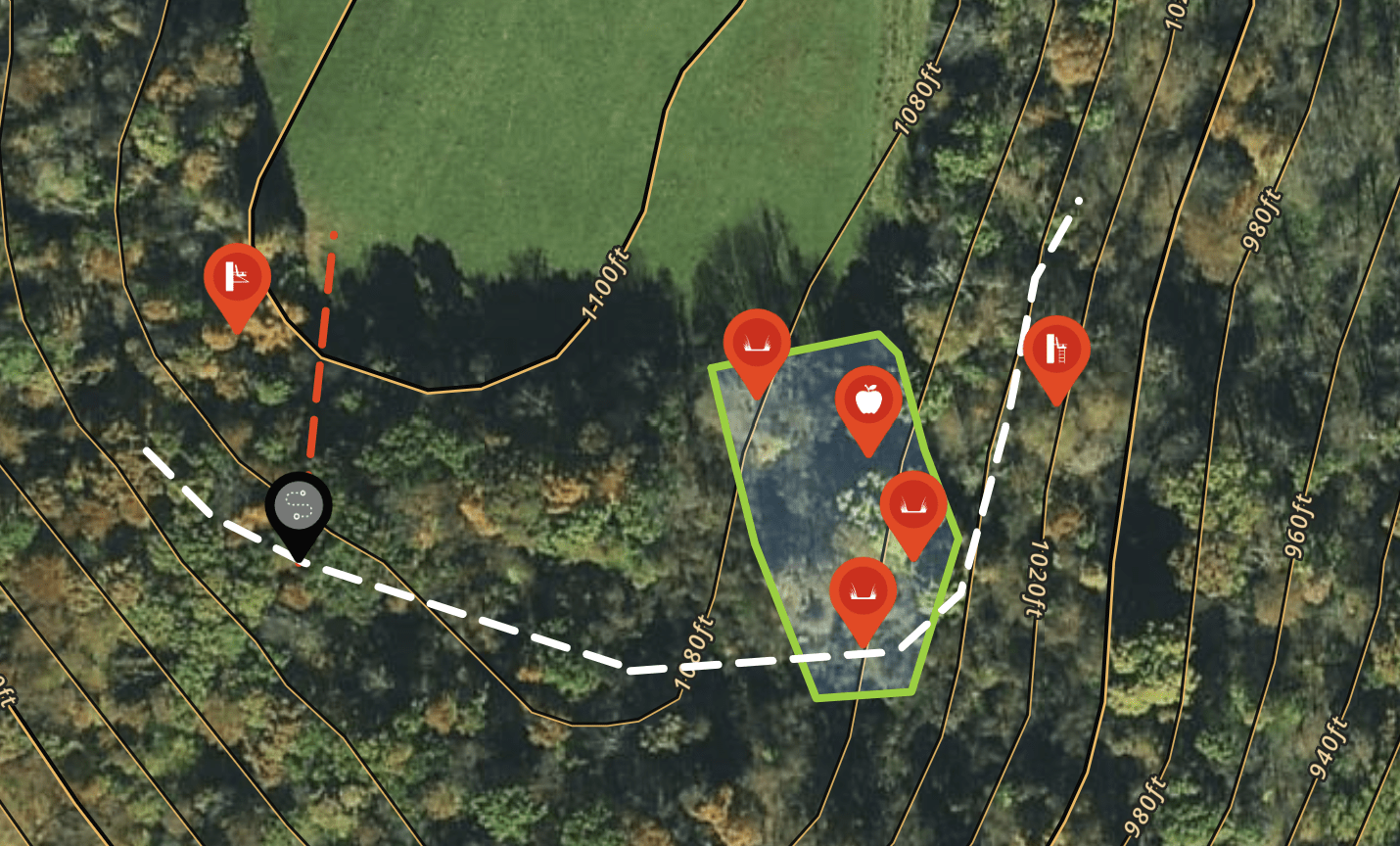
Aerial and topographic maps can help you identify potential bedding areas before setting foot in the woods. Look for points, ridges, and terrain funnels near food sources or doe bedding areas.
Observe Travel Patterns
Bucks often use the same travel routes to and from bedding areas. Look for faint trails, rub lines, and scrapes leading into thick cover. These trails can help you backtrack to the bedding area.
Milkweed for Scent Testing
When scouting or hunting, drop milkweed to see how the wind and thermals behave around potential bedding areas. Understanding air currents can help you approach these areas undetected.
Hunting Strategies for Buck Bedding Areas
Once you’ve identified a buck’s bedding area, the real challenge begins. Here are a few strategies to close the gap:
Hunt the Edges
Avoid hunting directly in or too close to a bedding area, as this can push the buck out entirely. Instead, set up along trails leading to and from the bed, ideally between the bedding area and a food source.
The Power of the First Sit
Your first sit is often your best chance. Bucks are highly sensitive to pressure, and overhunting an area can cause them to shift their bedding location.
Play the Wind and Thermals
Always position yourself so the wind carries your scent away from the bedding area. Use milkweed to confirm how the wind behaves before setting up and throughout your sit. Save your best spots for the right conditions—hunting a bad wind or the wrong end of the thermal cycle can burn out a spot quickly.
Hunt Specific Conditions
Bucks are highly sensitive to atmospheric pressure changes, which influence their movement patterns. Before and after a cold front, deer activity increases significantly as they anticipate shifts in weather conditions. Hunting during these periods can dramatically improve your odds of encountering a buck on its feet.
The Rut
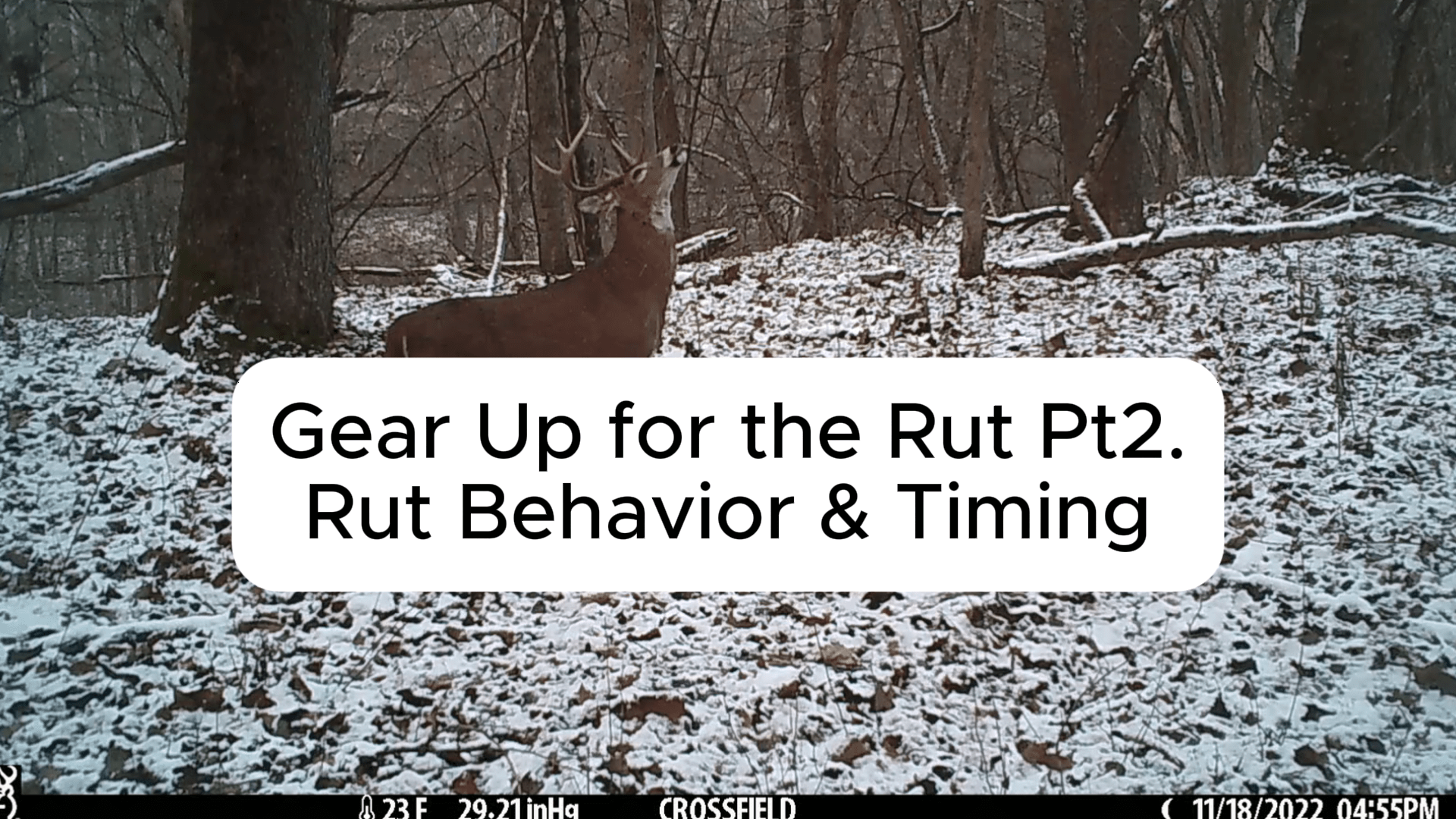
The rut is the single most active period for buck movement. The drive to breed overrides their usual caution, leading to extended travel times and increased daytime activity. Some bucks will expand their home range or even abandon it entirely in search of receptive does. This period offers some of the best opportunities to hunt mature bucks that might otherwise remain nocturnal or elusive.
Be Patient and Observant
Sometimes, it takes time to learn how a buck uses a bedding area. Use trail cameras and long-distance observation to pattern his movements before diving in.
Final Thoughts
Understanding Midwest buck bedding areas is as much art as it is science. It requires patience, observation, and a willingness to adapt to what the terrain and deer tell you. By learning where and why bucks bed, you can put yourself in a position to outsmart even the most cautious mature deer.
So grab your maps, pack your milkweed, and hit the woods. The buck you’re after is already out there, tucked away in his bedding area, waiting for you to crack the code.

Leave a Reply