

Introduction: Thinking Like Your Prey
Hunting is more than just heading into the woods and hoping for the best. To be successful, you need to think like your prey. Many new hunters fail not because they lack effort but because they don’t understand deer behavior. Whitetail deer have evolved to avoid predators, including humans, and possess keen senses that help them survive. By learning how deer see, hear, and smell, you can increase your odds of success dramatically. For a deeper dive into how deer perceive their surroundings, check out my article Eye of the Beholder, where I break down deer vision in detail.
Understanding Deer Senses
- Vision: Deer see movement more than they see details. They have a wide field of view but poor depth perception. Camouflage helps, but staying still is more important.
- Hearing: Deer have large, highly sensitive ears that rotate to pinpoint sounds. Sudden noises will spook them, but they are used to natural woodland sounds.
- Scent: This is a deer’s best defense. They can smell a human from hundreds of yards away. Managing your scent by playing the wind is crucial.
Common Beginner Mistakes
- Ignoring Wind Direction: If the wind is carrying your scent toward deer, they will smell you long before you see them. Always hunt with the wind in your favor. If you want to take a deeper dive into wind and thermal strategies, check out my article To the Wind, To the Thermals, Till My Scent Drops Down and Falls.
- Being Too Loud: Crunching leaves and snapping twigs may not seem loud to you, but to a deer, it’s a red flag. Move slowly and carefully.
- Hunting the Wrong Times: Deer are most active at dawn and dusk. Midday hunts can work but are usually less productive.
- Setting Up in the Wrong Spot: You might find a great-looking area, but if deer aren’t traveling through it, you won’t see much action. Scouting is key.
- Not Practicing Enough: Whether it’s a rifle or a bow, you need to be proficient before hunting. Wounding a deer due to poor shooting is unethical and should be avoided at all costs.
By understanding these fundamentals, you’ll start your hunting journey with a strong foundation. Look for the next article in this series where we’ll dive into how to read maps and terrain to find the best hunting locations.
This article is part of the Deer Hunting for Beginners Series
🧭 Coming Up Next:
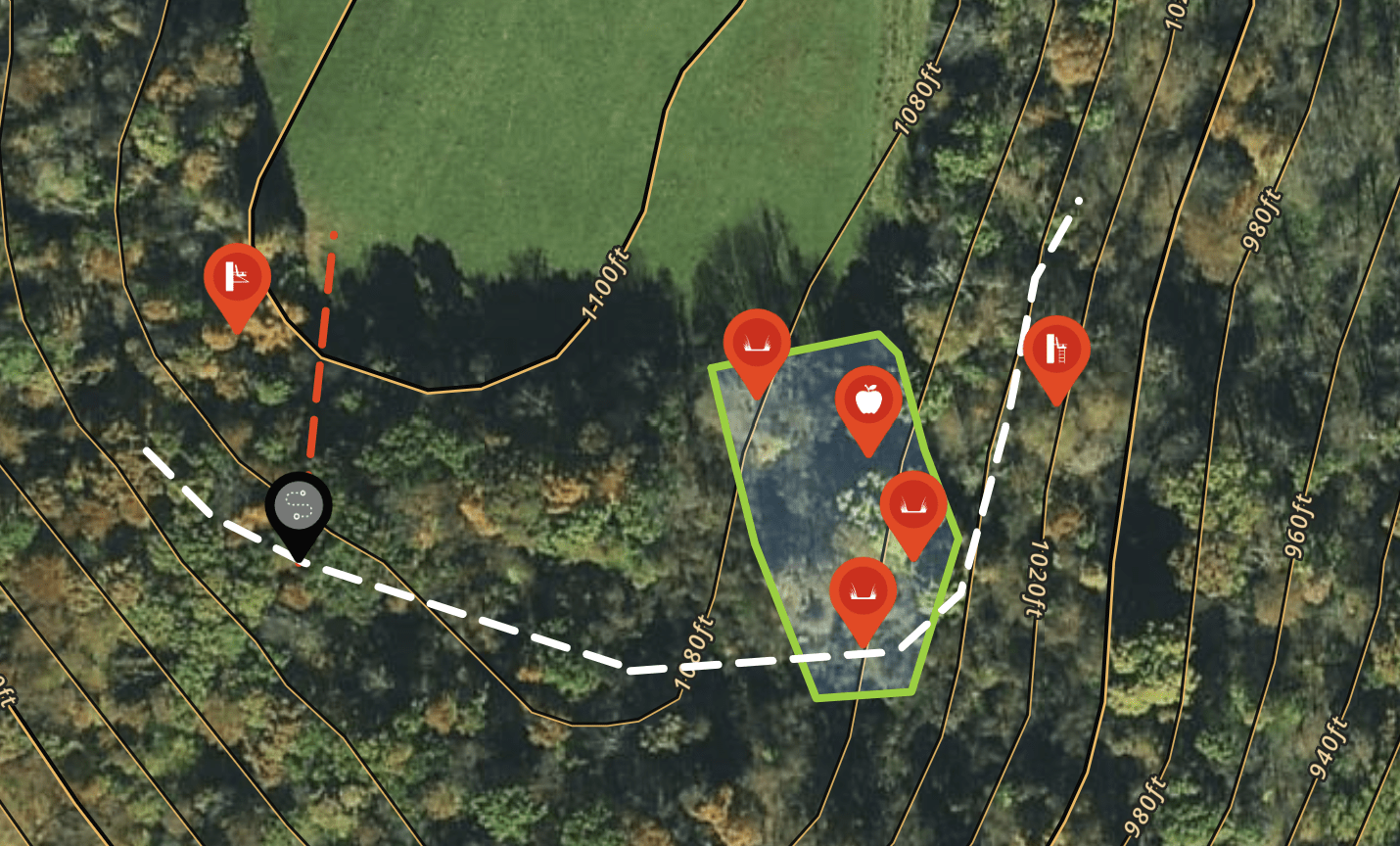
How to Read Deer Terrain: Maps, Travel Routes, and Bedding Explained
Learn how to identify terrain features, interpret deer movement, and use maps to choose better stand locations—before you ever step foot in the woods.

Leave a Reply