


Success in the whitetail woods starts long before opening day. The hunters who consistently fill tags aren’t lucky—they’ve mastered scouting strategies for deer hunting that let them predict movement before it happens. Scouting bridges the gap between guesswork and strategy, turning good spots into great hunts.
This is your complete Scouting Blueprint—a field-tested process that combines digital mapping, terrain analysis, and boots-on-the-ground confirmation. Whether you’re hunting public or private land, mastering these seven steps will help you find deer faster, plan smarter, and hunt more efficiently.
1. Digital Scouting for Deer Hunting — Map Before You Move
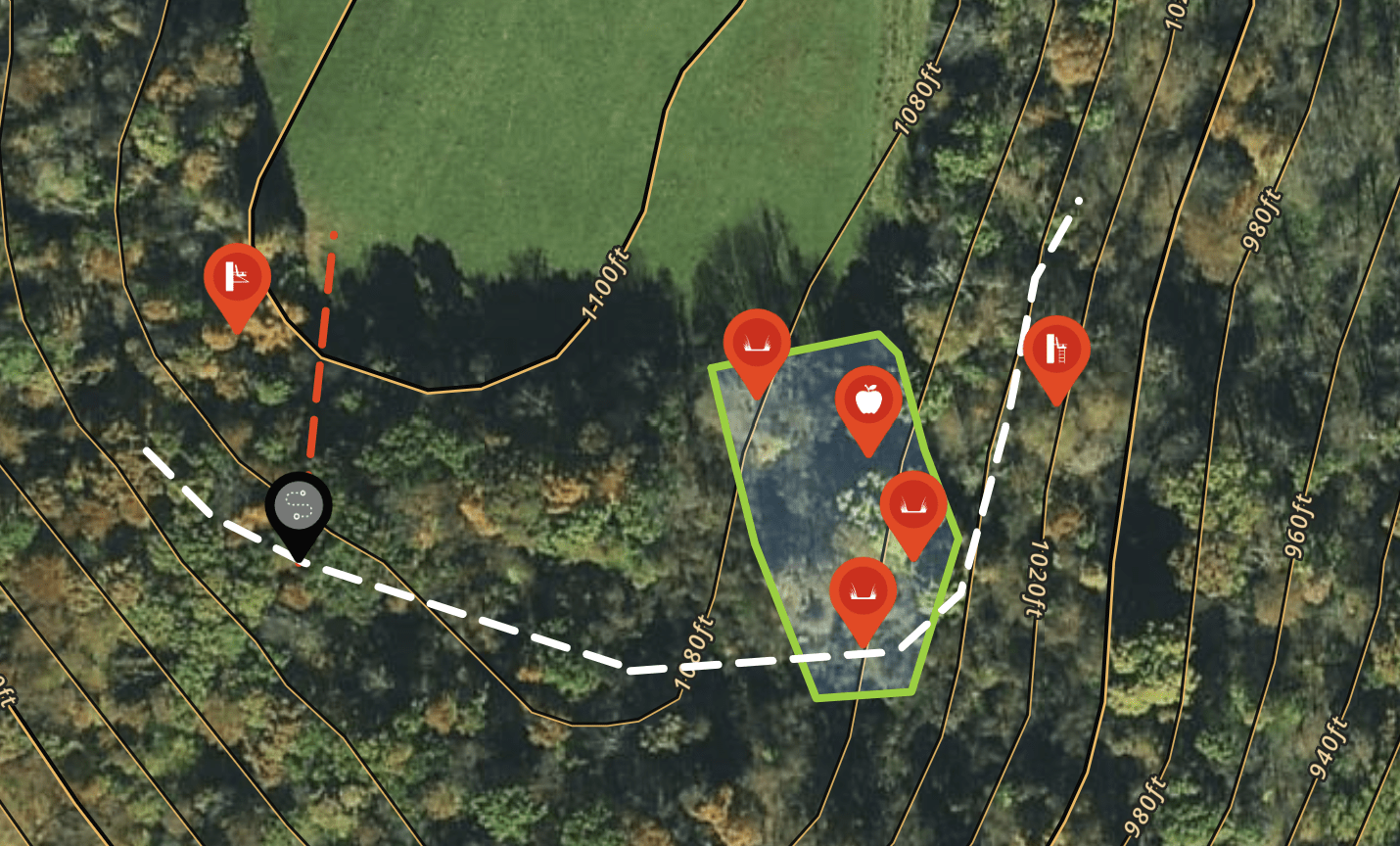
Thanks to modern tools, scouting doesn’t start at the trailhead—it starts on your couch. Today’s apps like OnX Hunt, HuntStand, Google Earth, and BaseMap make digital scouting for deer hunting faster and more accurate than ever.
These platforms give you satellite imagery, topo layers, land boundaries, and even trail overlays that help you find the right terrain before burning a drop of gas.
Key Features to Identify on the Map
- Public & Private Land Boundaries: Always know where you can and can’t hunt. Overlay ownership data and note potential pressure from nearby public access points.
- Terrain Features: Saddles, ridges, benches, and pinch points funnel deer movement. Mark them as potential stand locations.
- Food & Water Sources: Identify ag fields, oak flats, food plots, creeks, ponds, and seeps.
- Bedding Areas: Look for dense cover near food and south-facing slopes in colder months.
- Hunter Access Points: Locate parking areas and easy-access trails to predict pressure zones.

Pro Tip: The more remote or harder to reach an area is, the better your odds of finding unpressured deer. If you can’t easily walk to it, neither can everyone else.
2. Create a Smart Deer Scouting Plan
Once your digital map is marked up, it’s time to organize your efforts. An efficient deer scouting plan saves time, minimizes disturbance, and ensures every step in the field has a purpose.
How to Build Your Scouting Route
- Drop Pins Strategically: Mark bedding, food, water, terrain funnels, and potential stand sites.
- Prioritize High-Value Areas: Focus on where terrain, cover, and edge habitat intersect.
- Plan Entry and Exit Loops: Create a route that allows you to scout multiple locations efficiently without bumping deer.

Pro Tip: Label your pins clearly—“scrape line,” “ridge saddle,” or “south bedding”—so you can interpret them quickly when it’s time to hunt.
3. On-the-Ground Deer Scouting — Confirm the Sign
Digital scouting gets you close. On-the-ground deer scouting confirms what’s real. The goal is to verify your digital predictions with physical evidence of deer activity.
Look for These Key Signs
- Trails & Corridors: Well-worn trails mean consistent movement. Parallel trails along ridges often mark bed-to-feed routes, while those near fields are classic rut travel lanes.
- Bedding Areas: Buck beds are isolated, often with rubs nearby and wind advantage. Doe beds are grouped in thicker cover closer to food.
- Rubs & Scrapes: Rubs mark travel corridors. Scrapes under overhanging branches are scent communication hubs.
- Food & Water: Check acorn flats, clover plots, or field edges for fresh tracks and droppings. Water sources become critical during early season heat and late-season drought.

Pro Tip: Always carry a wind checker or milkweed. Watch how wind and thermals move across the terrain—it’ll tell you more than any map ever could.
4. Identifying Hunting Pressure
Even the best scouting strategies for deer hunting fall apart if your area is overrun with other hunters. Learning to recognize pressure—and how deer respond to it—is key.
- Old Stands & Blinds: If you find them, note wind direction and visibility to understand how deer have been pressured.
- Trash or Tape: Old flagging, shell casings, or wrappers are signs of frequent human presence.
- Vehicle or Boot Tracks: Look for ATV paths or heavily worn foot trails. These signal high-traffic zones deer may now avoid.

Pro Tip: If you see pressure everywhere, look for overlooked micro-spots—like small thickets near parking areas or steep terrain hunters avoid.
5. Using Trail Cameras for Scouting
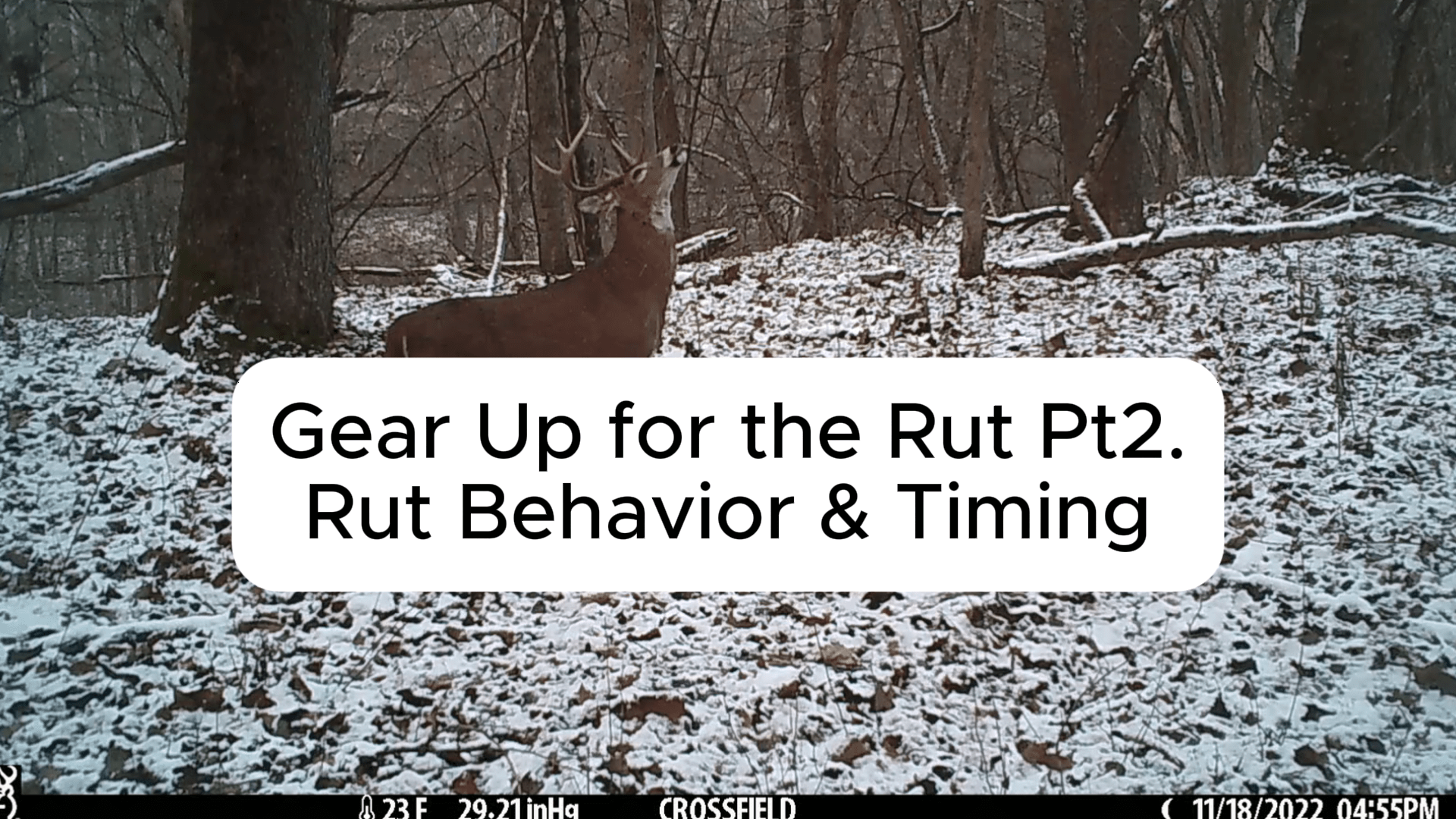
Trail cameras are the modern hunter’s best ally. They turn your scouting strategies for deer hunting into 24/7 intelligence gathering. Used right, they’ll tell you not just what deer are there—but when and why they’re moving.
- Deploy Cameras on Funnels: Saddles, inside corners, and creek crossings reveal movement patterns fast.
- Use Time-Lapse Mode: Capture activity across larger openings without triggering motion sensors.
- Limit Disturbance: Check cards infrequently or use cell cams to minimize intrusion.

6. Analyze and Adjust — Turn Scouting Into Strategy
Scouting isn’t a one-and-done task—it’s a feedback loop. The best scouting strategies for deer hunting involve analyzing data and adapting quickly.
- Overlay trail camera data with your map pins.
- Note wind direction, time of movement, and moon phase.
- Shift stands or blinds 50–100 yards if deer are skirting your setup.
Pro Tip: Keep a seasonal journal. Record sightings, weather, and pressure. Over time, you’ll spot patterns that maps can’t show you.
7. Finalize Your Hunting Plan
When all the signs, data, and visuals align—you’ve built your system. The final step is to put those scouting strategies for deer hunting to work.
- Confirm stand sites and access routes with prevailing wind in mind.
- Use trail cams to monitor pressure and new deer arrivals.
- Commit to hunting the best spot—not the convenient one.

When you combine digital mapping, on-the-ground sign, and a disciplined approach, you eliminate most of the “guess” from deer hunting. Every decision becomes intentional—and that’s when consistency begins.
For deeper insights into scouting and map-based hunting tactics, check out Outdoor Life’s e-scouting guide for deer hunters . It’s a great resource to build on what you’ve learned here.
🔗 This article is part of the Deer Hunting for Beginners Series — your complete guide to building confidence and skill in the whitetail woods.
⬅️ Previous Article:
Understanding Deer Terrain — learn how ridges, saddles, and elevation shape deer movement.
➡️ Next Up in the Series:
Scouting 101 — how to make your digital and on-the-ground scouting efforts more effective.

Leave a Reply